What Is Under an Old Vehicle Wrap? Why Removal Needs a Careful Inspection
An aging vehicle wrap can look like a simple peel-off project. In practice, the material's age, the heat it has endured, the quality of the original paint, and past repairs all affect removal. In South Florida, prolonged sun exposure can make vinyl brittle and adhesive more stubborn.
If your wrap is fading, cracking, or lifting around the edges, a professional inspection gives you a clearer idea of what lies underneath and what the removal may involve.
A Wrap Can Hide More Than Original Paint
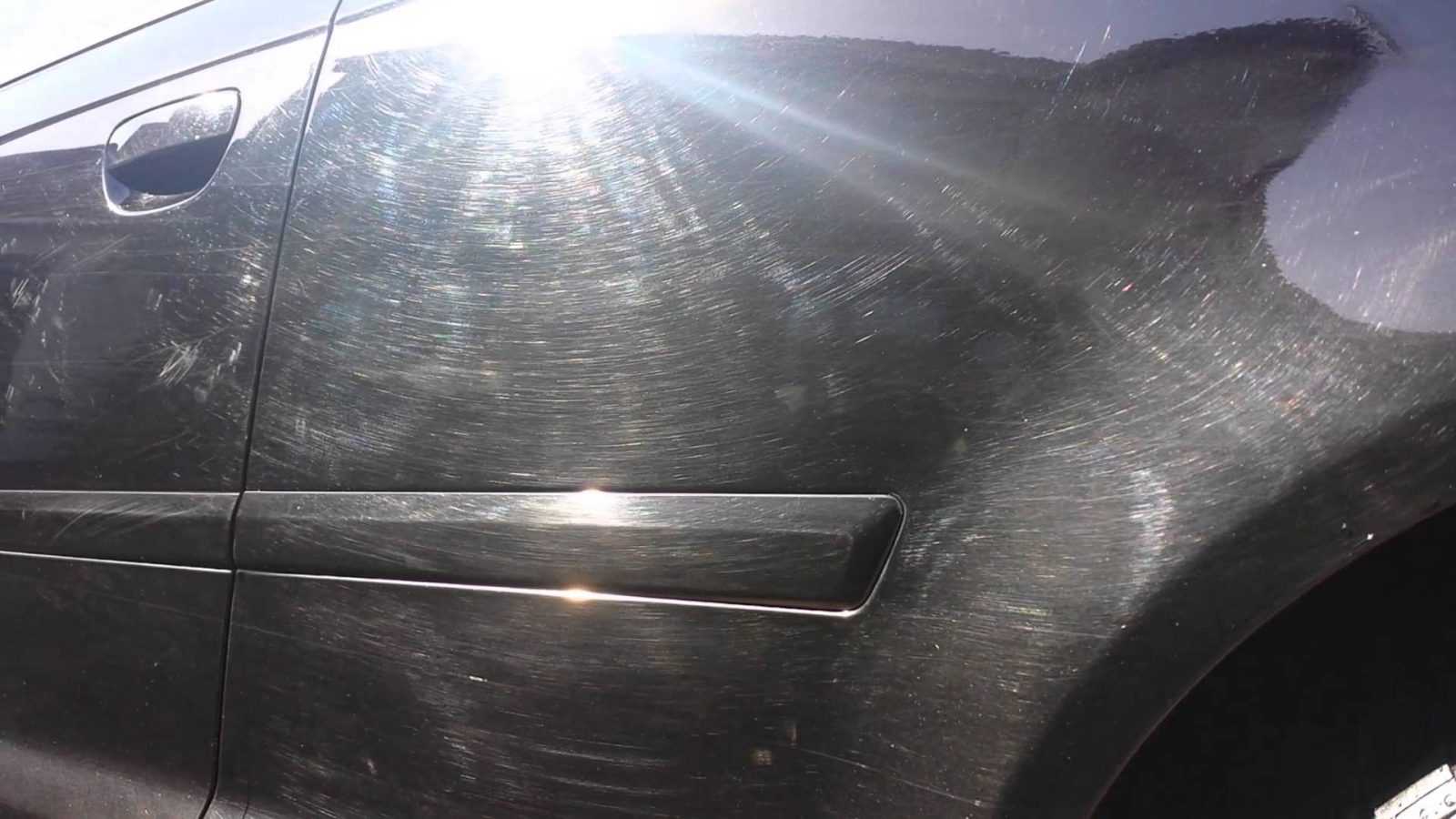
When a wrap comes off, you may find glossy original paint. You may also find existing scratches, bodywork, uneven fading, adhesive residue, or paint that was already weak when the vinyl was installed. Wrap removal does not create a new finish beneath the material.
That is why PDS starts by assessing the wrap and surface rather than promising a perfect reveal. The risk is higher around repainted panels or areas where clear coat was already failing. If you know the car has had bodywork, tell the team before work begins.
Florida Heat Changes the Job
A relatively fresh, flexible wrap may release in larger sections. Older material exposed to West Palm Beach or Palm Beach sun can break into small pieces. Edges may lift while the center remains firmly attached. Adhesive can remain on the paint even after the vinyl is gone.
This affects the time required and the price. PDS notes that wrap removal quotes vary with the wrap's age, vehicle size, material condition, and paint condition. A cracked wrap on a full SUV is a different job from removing a small decal on a well-kept sedan.
What Professional Removal Involves
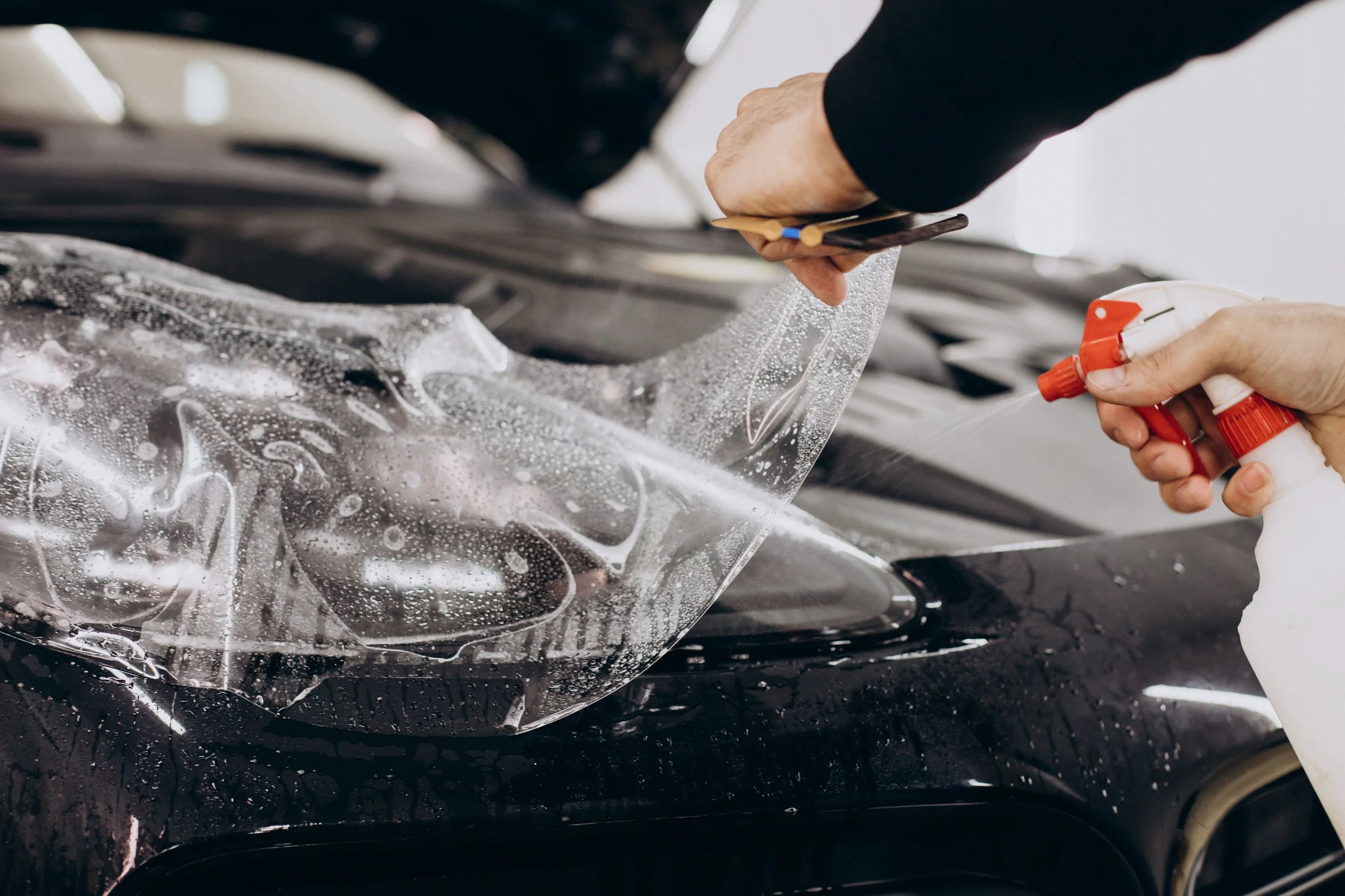
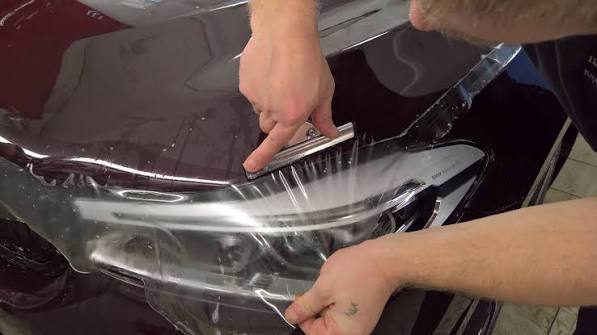
The team evaluates the panels, loosens and removes the vinyl using methods suited to its condition, addresses adhesive residue, and then inspects the exposed finish. Details such as trim edges, badges, and body seams take extra attention because material can remain tucked into them.
Avoid scraping stubborn residue with sharp tools or strong household solvents. Both can damage automotive finishes or nearby trim. If you have already started removing a wrap and found a sticky or uneven surface, stop and ask for an assessment.
What Happens After the Vinyl Is Gone?
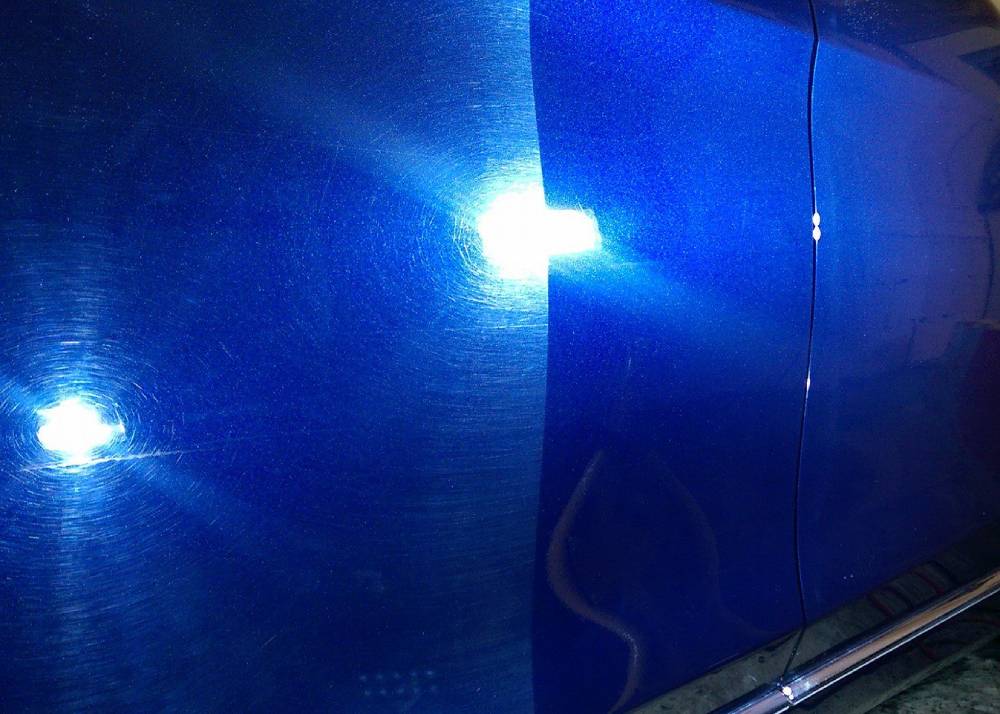
Sometimes the next step is only a careful wash and finish inspection. If the exposed paint has haze, wash marks, or surface defects, paint correction may improve its appearance. Correction cannot replace missing clear coat or repair every defect; that may require body shop work.
Owners returning a vehicle to its original color may also want an exterior detail before photos or resale. PDS can discuss detailing once the wrap and residue are removed. The goal is a clean, realistic plan based on the paint actually revealed.
When Should You Book Removal?
Do not wait until large sections become brittle flakes. A wrap that is visibly cracking, shrinking, or leaving adhesive at the edges is worth assessing soon. This is relevant for personal vehicles across Lake Worth, Boynton Beach, and Wellington that spend long hours outdoors.
If you are planning to sell the car, return a lease, or change its look, allow enough time for inspection and any follow-up paint work. Removal can reveal issues you did not see while the vinyl was in place.
FAQ: Removing an Old Wrap
Will the paint look new after wrap removal?
That depends on the paint's condition before wrapping, the age of the vinyl, and any repairs or exposure. An inspection is the best way to set expectations.
Can old vinyl leave glue behind?
Yes. Adhesive residue is common, especially with aged or sun-exposed material. It needs to be removed with methods appropriate for automotive surfaces.
Does paint correction always follow wrap removal?
No. Correction is considered when the exposed paint has defects that can be improved safely. Some vehicles only need cleaning.
Get a Wrap Removal Assessment in West Palm Beach
PDS removes full and partial vehicle wraps, decals, graphics, and emblems. Tell the team how long the material has been on the vehicle and whether any panels have been repainted. Request a quote or call 561-377-6700.
.jpeg)
.jpeg)

%201%20(2).jpg)
.jpg)
.jpg)


.jpg)

.jpeg)


.jpg)
.jpg)
.jpg)
.jpg)
.jpg)

.jpg)
.jpg)
.jpg)


