Which Parts of Your Car Need Paint Protection Film First?

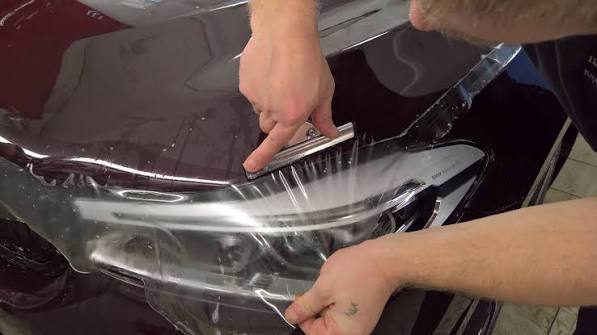
If you are considering paint protection film but are not ready to cover the whole vehicle, the most useful question is where damage is most likely to happen. PPF is a clear physical layer designed to take the impact of small road debris and everyday contact before your paint does. It makes particular sense on surfaces that lead the car into traffic.
For drivers commuting through West Palm Beach, Jupiter, Palm Beach Gardens, and Wellington, a targeted PPF plan can protect the areas that see the most wear while keeping the project focused on your priorities.
Start With the Front Bumper
The front bumper faces airborne grit, insects, and small stones every time you drive. It also has curves and openings that make cleaning harder. Chips here can stand out on darker colors and on vehicles with low, sporty front ends.
If your budget covers only one area, ask PDS to inspect the bumper first. The right coverage depends on its shape, existing paint condition, and the film package available for your vehicle.
Consider the Hood and Front Fenders
The front edge of the hood and the leading sections of the fenders are next in line for road debris. Highway use increases the reason to protect these panels, especially if you regularly drive behind other vehicles or through construction zones.
Partial-front coverage protects a smaller portion of these panels. Broader coverage may reduce the visible edge on a hood and give more consistent protection. PDS can explain the tradeoff using your vehicle's actual body lines.
Do Not Forget Side Mirrors and Door Edges
Mirrors collect bug impacts and road grit. Door edges face a different type of risk: accidental contact in parking areas and garages. Neither area is very large, yet both can become visibly worn over time.
Owners of family SUVs or daily drivers in Boynton Beach may prioritize door edges. Owners of low sports cars may prioritize mirrors and the entire front end. There is no universal package that suits every use case.
When Does Full-Vehicle PPF Make Sense?
Full coverage can be worth discussing if you want a consistent layer across the paint, plan to keep the car for years, or own a vehicle whose finish you are especially keen to preserve. It is also a larger commitment in cost and installation time, so it should reflect how you drive and what you expect from the car.
PPF does not eliminate all damage, and film itself still needs washing and care. Its value is strongest when placed where physical wear is most likely. PDS paint protection film can be planned around those areas rather than a one-size-fits-all recommendation.
What About Ceramic Coating?
The two services solve different problems. Film helps absorb minor physical impacts. Ceramic coating is chosen for gloss, easier cleaning, and a barrier against environmental contamination. Some owners combine front-end PPF with coating elsewhere on the vehicle.
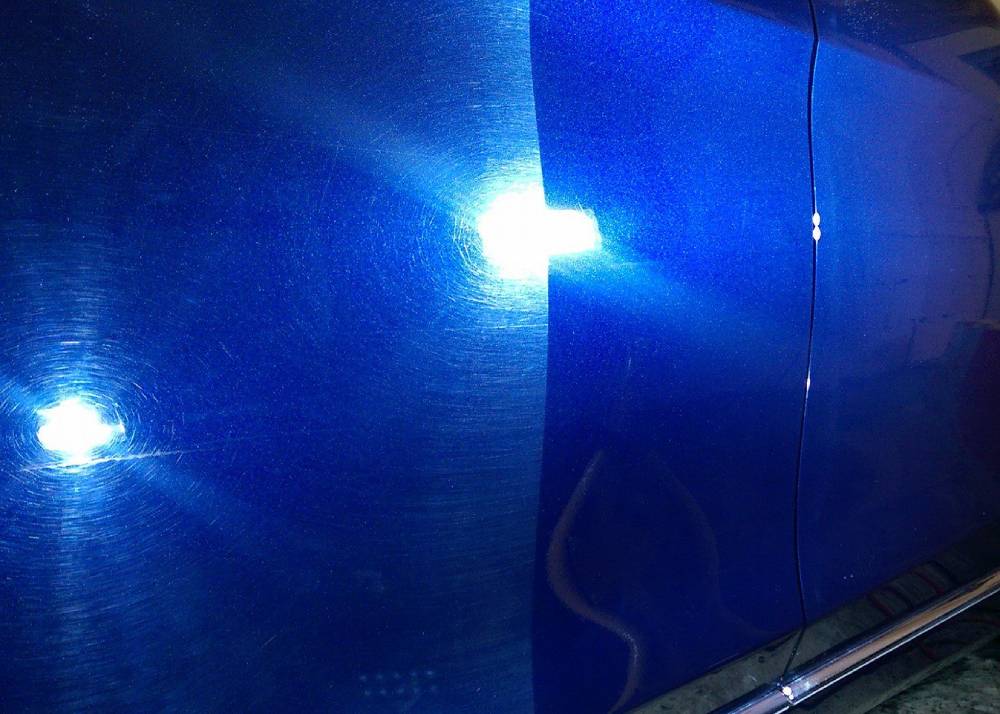
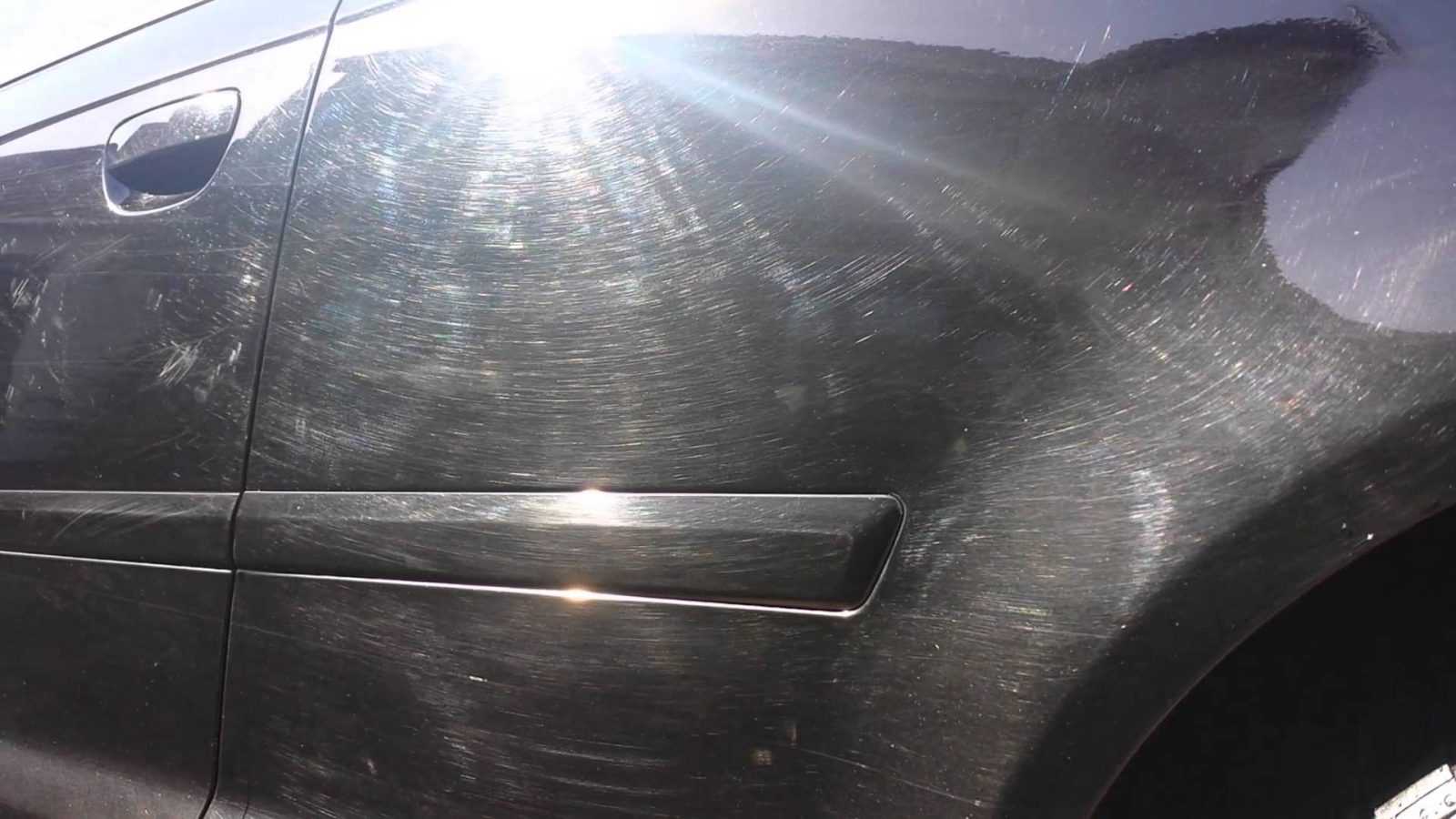
Before either service, the paint should be assessed. Existing swirls or haze may call for paint correction first, depending on the desired finish.
FAQ: PPF Coverage
Is front-end PPF enough?
It can be a sensible starting point because the front bumper, hood, fenders, and mirrors receive many road impacts. The right coverage depends on your driving and budget.
Can PPF hide existing rock chips?
Clear film is protective, not a paint repair. Existing chips may remain visible under the film and should be assessed before installation.
Should a new car get PPF immediately?
Early protection can help preserve new paint. Even a new vehicle should be inspected and properly prepared before film is applied.
Plan PPF Around Your Driving
Bring your vehicle to PDS in West Palm Beach or ask for a quote based on its make, condition, and the roads you use. The team can recommend practical coverage for your vehicle. Call 561-377-6700 to get started.
.jpeg)
%201%20(2).jpg)
.jpg)
.jpg)


.jpg)

.jpeg)


.jpg)
.jpg)
.jpg)
.jpg)
.jpg)

.jpg)
.jpg)
.jpg)


