Does Darker Window Tint Keep Your Car Cooler in Florida?
.jpeg)
Does Darker Window Tint Keep Your Car Cooler in Florida?
When a vehicle has been sitting in the sun in West Palm Beach, it is tempting to choose the darkest window tint available. Dark glass can change how the car looks and how much visible light enters the cabin. But darkness alone does not tell you how well a film manages heat.
For Florida drivers, a better question is: what performance does this particular film provide at a shade you are comfortable driving with?
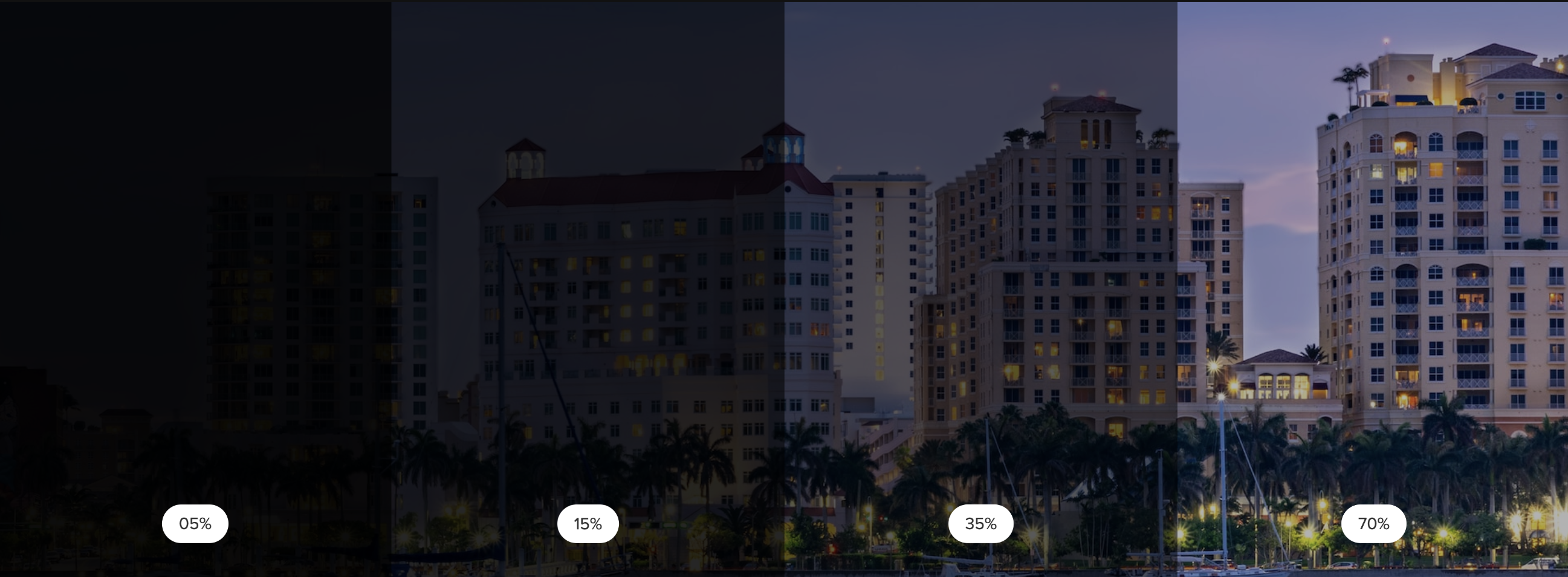
Tint Darkness Measures Visible Light
Tint shade is commonly expressed as visible light transmission, or VLT. A lower VLT percentage means less visible light passes through the glass. That affects appearance, privacy, and how bright the cabin feels.
Heat rejection is a separate performance characteristic. Two films with a similar visible shade can perform differently because of how they are made. A darker basic film is not automatically the best choice for a Palm Beach driver who mainly wants a more comfortable interior.
Compare Film Performance, Not Just the Sample Shade
When discussing window tinting with PDS, ask about the specific film options available and their published performance information. A useful comparison includes visible light transmission, infrared performance, UV rejection, overall heat rejection, and how the shade will look on your vehicle's existing glass.
No tint can keep a parked car cool indefinitely. Sunlight still enters through other glass and surfaces, and a car left outside in Florida can become hot. Good film can reduce part of the incoming heat and make driving more comfortable, particularly after the air conditioning starts working.
Think About Glare and Night Visibility
More privacy may be attractive, but visibility matters too. Darker side glass can change how easy it is to see in rain, at night, or in poorly lit parking areas. Choose a shade you can live with in everyday driving, not only one that looks good in a showroom photo.
This is especially relevant for commuters moving between West Palm Beach, Riviera Beach, Lake Worth, and Palm Beach Gardens, where afternoon sun can give way to evening drives and heavy rain. The right choice balances comfort, visibility, appearance, and applicable tint rules.
Tint Also Helps Protect the Interior
Florida sunlight is hard on upholstery, leather, dashboards, and trim. Quality window film can reduce UV exposure through treated glass. It does not replace cleaning and conditioning, but it can be part of a broader interior care plan.
Pairing tint with regular mobile detailing helps keep the cabin clean while you address sun exposure. If the leather or trim is already dry or stained, tell PDS so the interior can be evaluated separately.
What to Ask Before Booking
Tell the installer what bothers you most: cabin heat, glare, privacy, fading, or appearance. Mention any existing tint and whether the vehicle has factory privacy glass. Ask for film specifications and a shade recommendation for the windows being treated. Film availability and legal limits can change, so confirm the current compliant options at the time of installation.
FAQ: Window Tint and Heat
Is darker tint always better for heat?
No. Shade describes visible light, while heat rejection depends on the film's performance. Compare the actual product specifications.
Will tint stop my car from heating up while parked?
No film can stop a parked vehicle from getting hot in Florida sun. Tint can reduce some incoming solar energy, but safe parking and ventilation habits still matter.
Can light tint help with UV exposure?
Depending on the product, yes. UV performance is not determined by darkness alone; ask about the selected film's published specifications.
Choose Tint for Your Daily Drive
PDS offers professional window tinting for West Palm Beach area drivers. Discuss your vehicle, priorities, and preferred shade with the team, then request a quote or call 561-377-6700.

%201%20(2).jpg)
.jpg)
.jpg)


.jpg)

.jpeg)


.jpg)
.jpg)
.jpg)
.jpg)
.jpg)

.jpg)
.jpg)
.jpg)


