Bug Splatter and Tree Sap on Car Paint: What Florida Drivers Should Do First
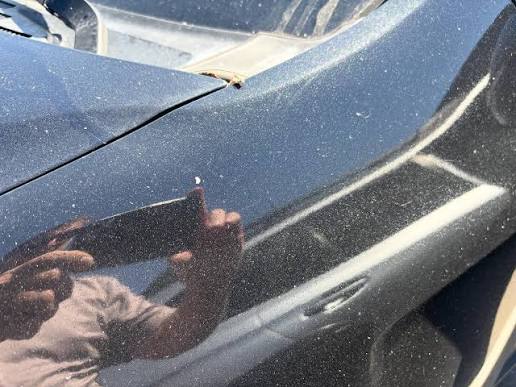
It takes one highway trip or one afternoon under a tree for a clean car to collect stubborn spots. Bug residue tends to cover the front bumper and mirrors. Tree sap often lands on the roof, hood, and glass. In Florida heat, both can dry quickly and become harder to remove.
Drivers around West Palm Beach, Lake Worth, Boynton Beach, and Jupiter can limit the risk of marks by acting early and cleaning gently. Rushing with a dry towel is often what turns a small mess into a visible paint problem.
First Step: Soften, Do Not Scrape
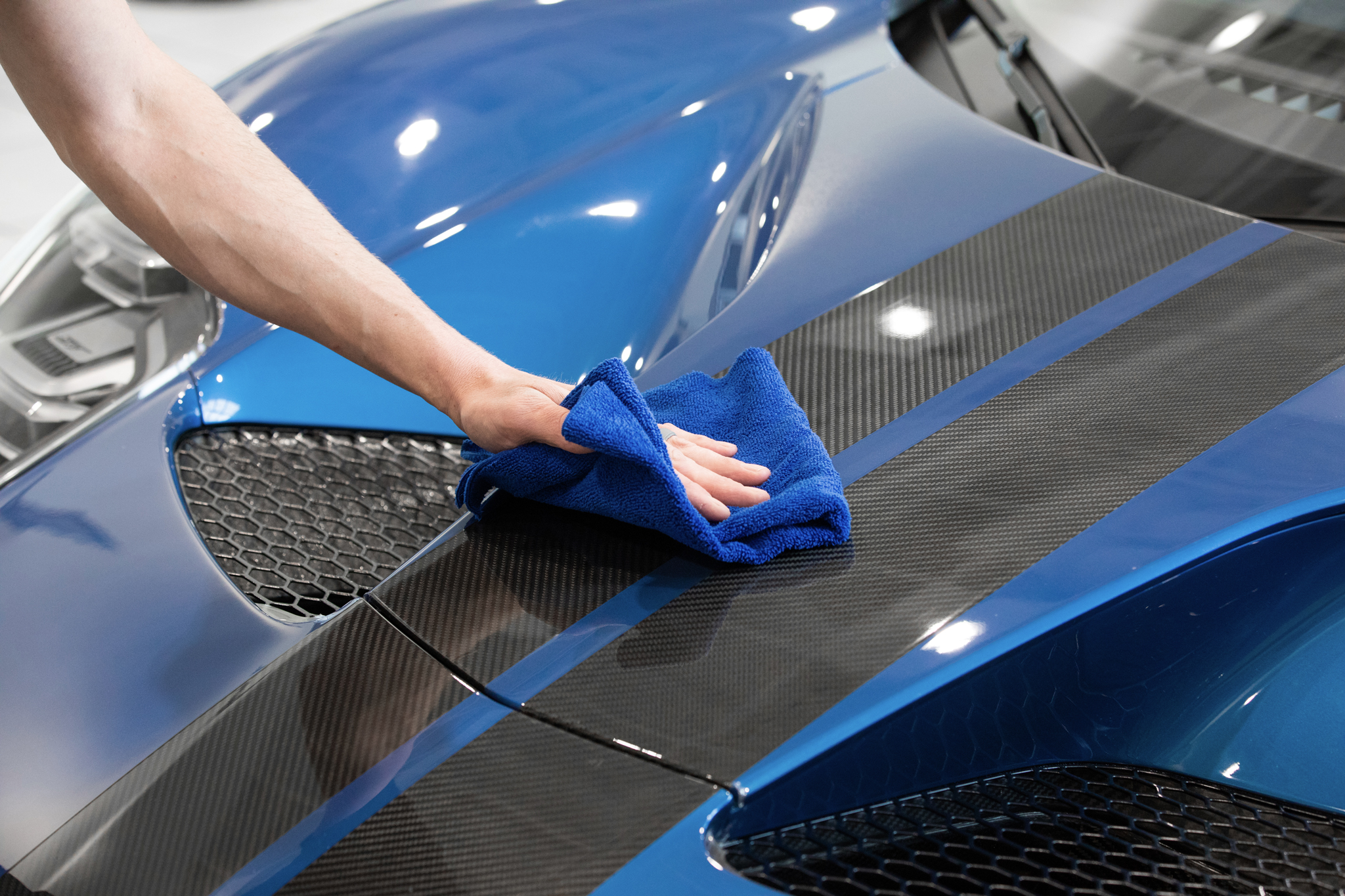
If residue is fresh, rinse the area with water and wash with an appropriate automotive shampoo. Let the cleaner and water do some of the work before touching the surface. A clean, damp microfiber towel can lift softened contamination with light pressure.
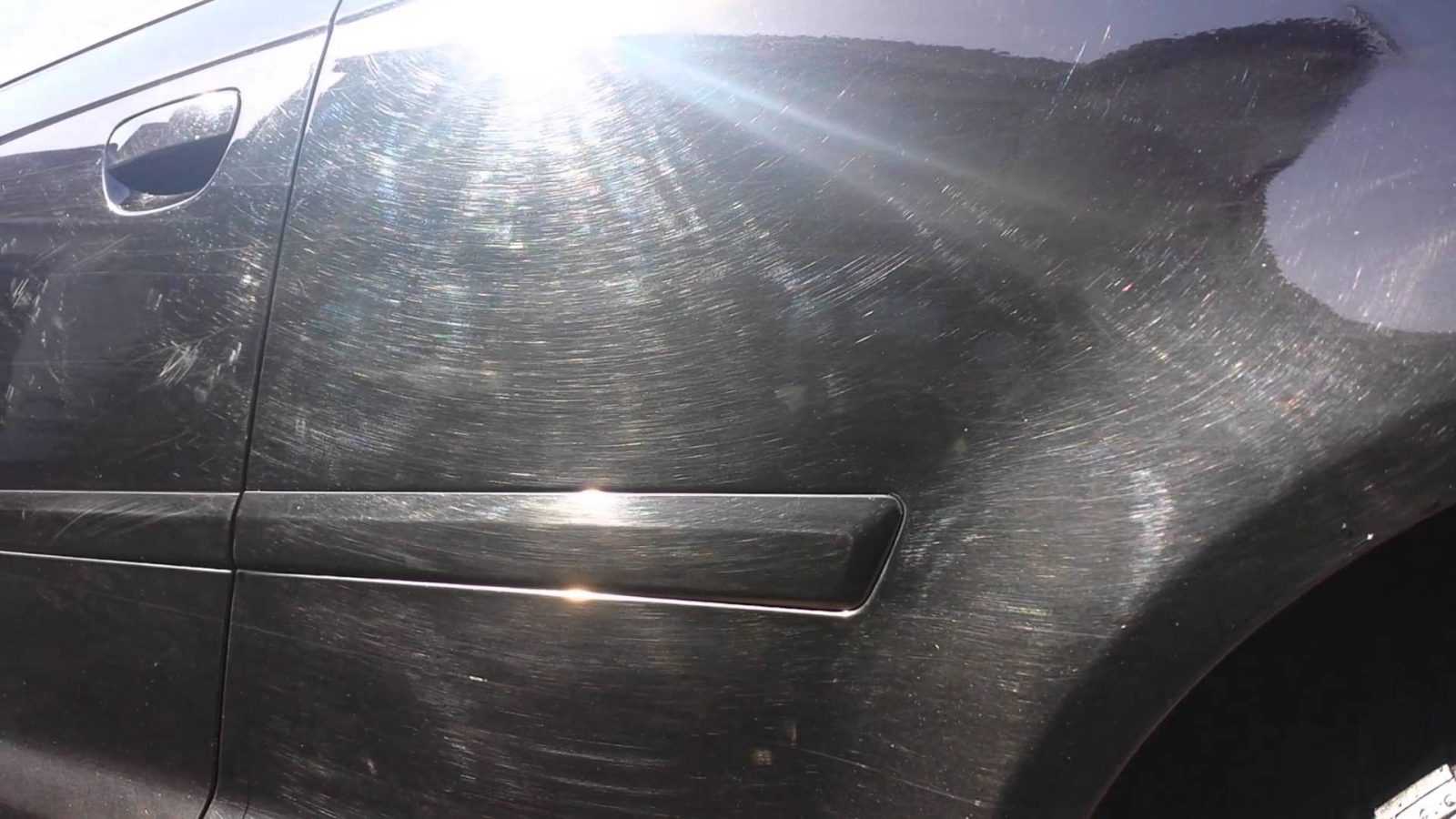
Never scrape a dried bug or sap spot with a fingernail, household sponge, or abrasive pad. Those methods can mark the paint or the protective layer over it. Avoid strong household solvents unless you know they are suitable for the exact surface and protection on your vehicle.
Why Bug Splatter Needs Attention
The front of the vehicle faces repeated insect impacts, especially on warm evening drives. Left in place, residue can bond to the finish and become difficult to remove. The longer it sits in sun and rain, the less likely a simple wash will handle it cleanly.
This is why an ordinary maintenance wash should include a look at the bumper, grille, mirrors, and leading edge of the hood. If the material will not lift with a careful wash, book an exterior detail before using more aggressive techniques.
Why Tree Sap Is Tricky
Sap varies in texture. Some spots feel tacky; others harden. Trying to rub a hard spot can drag grit across the paint. Glass, paint, vinyl, and film may each require a different approach, so identify the affected surface before applying anything.
If you park under trees in Palm Beach or nearby neighborhoods, inspect the vehicle regularly. Fresh contamination is generally easier to address. If the sap has been on the car for weeks or the finish beneath it looks cloudy, ask PDS to assess it.
When Detailing Becomes the Smarter Choice
PDS mobile detailing can clean the exterior and address stubborn contamination with products and techniques suited to the vehicle. Tell the team whether the spot is sap, bug residue, bird droppings, or unknown material. Also mention any ceramic coating, PPF, or wrap already on the car.
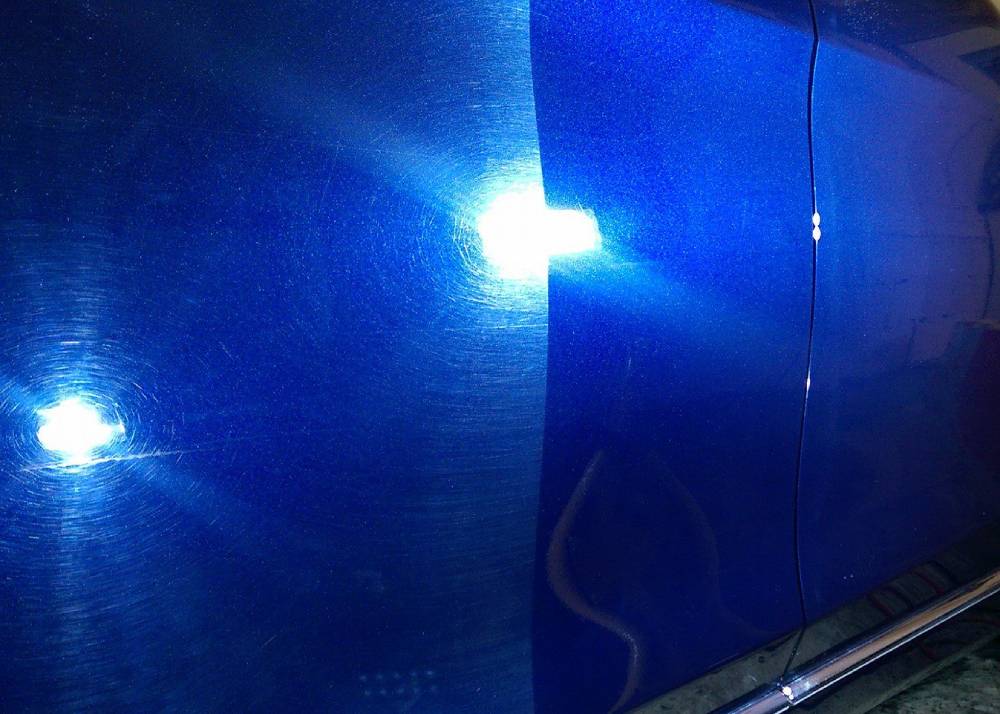
If the residue is gone but a dull mark remains, cleaning may no longer be the whole answer. Paint correction can improve some clear-coat defects after an inspection, but deep etching or missing finish may need another type of repair.
Prevention That Actually Helps
Wash the vehicle consistently, remove fresh contamination soon, and park away from sap-producing trees when possible. A protective service may make future cleaning easier, but no coating or film makes paint immune to neglect. The routine still matters.
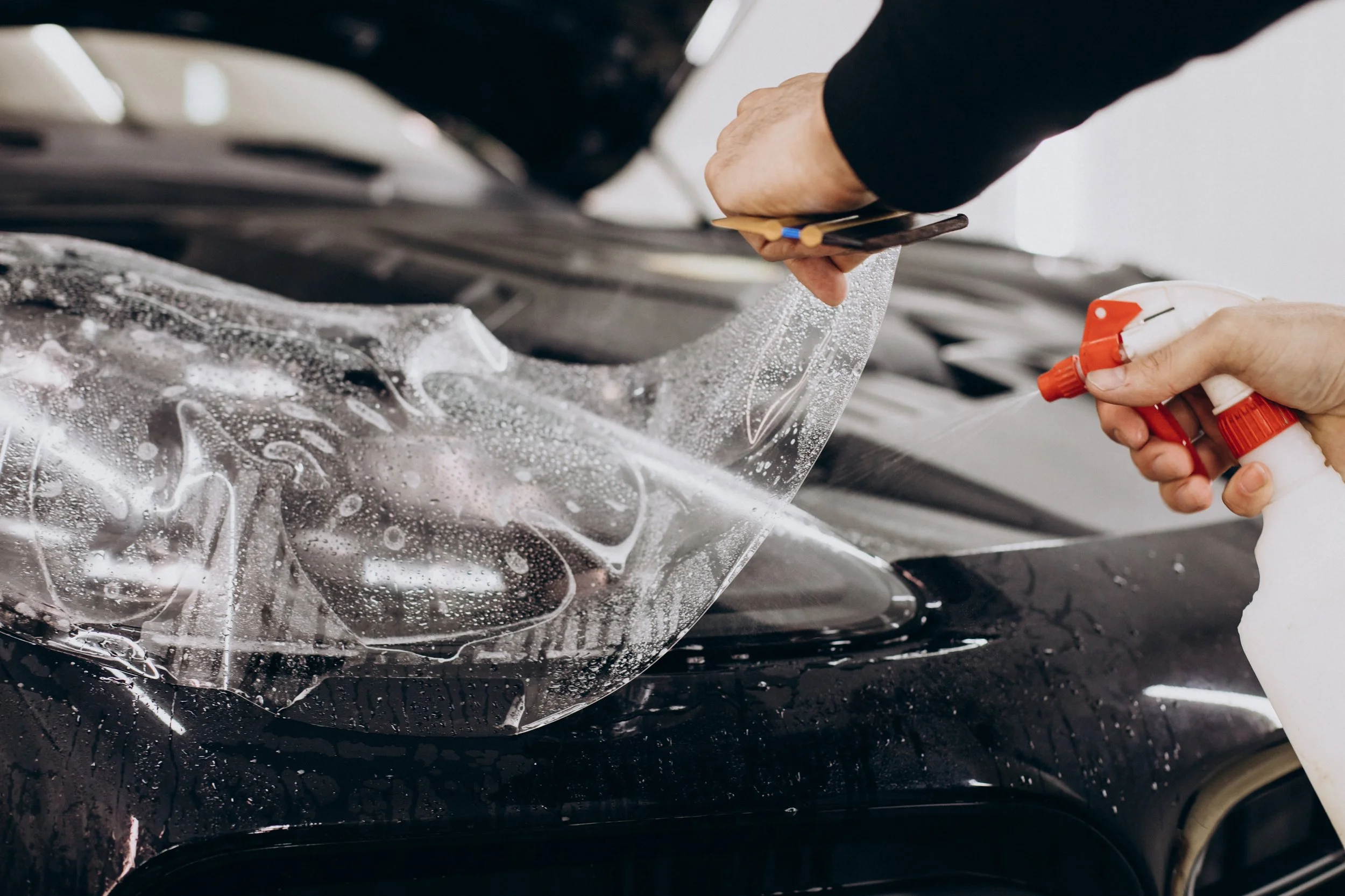
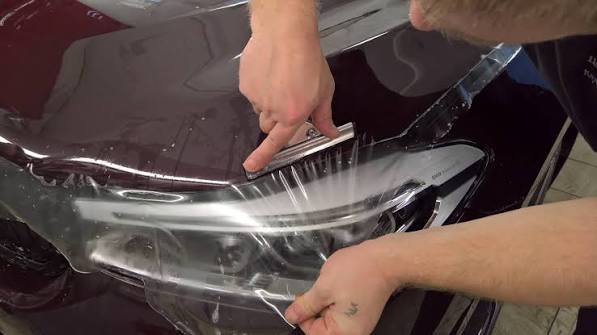
If highway bug buildup is a frequent issue, ask whether protecting the front bumper and hood with PPF makes sense for your driving pattern. If your main concern is easier washing and gloss, ceramic coating may be worth discussing.
FAQ: Bugs, Sap, and Paint
Can I use a kitchen sponge on stuck bugs?
Avoid abrasive household sponges. They can leave visible marks on automotive paint and film.
Will ceramic coating stop bug splatter from sticking?
It can make some cleaning easier, but bugs still need to be washed off promptly and carefully.
Can PDS remove old sap stains?
PDS can assess the residue and the finish underneath. The result depends on how long it has been there and whether the surface has already been damaged.
Get Help Before a Spot Becomes a Paint Problem
PDS serves West Palm Beach and surrounding Palm Beach County communities. Share a photo of the contamination when requesting an exterior detail, or call 561-377-6700 for guidance on the right appointment.