The Truth About Ceramic Coatings: What They Protect Against (And What They Don't)
.jpg)
The Truth About Ceramic Coatings: What They Protect Against (And What They Don't)
Ceramic coating is one of the most popular paint protection services for vehicle owners in Palm Beach, West Palm Beach, Palm Beach Gardens, Jupiter, Wellington, and nearby South Florida communities. It can make a vehicle look glossier, feel slicker, and stay cleaner longer between washes.
But ceramic coating is also one of the most misunderstood services in the detailing world.
Some people expect it to make their vehicle scratch-proof. Others think it means they will never need to wash their car again. The truth is more practical: ceramic coating is excellent protection against many everyday problems, but it is not magic armor.
If you are considering ceramic coating in Palm Beach or West Palm Beach, here is what it actually protects against, what it does not protect against, and how to decide whether it is right for your vehicle.
What Is Ceramic Coating?
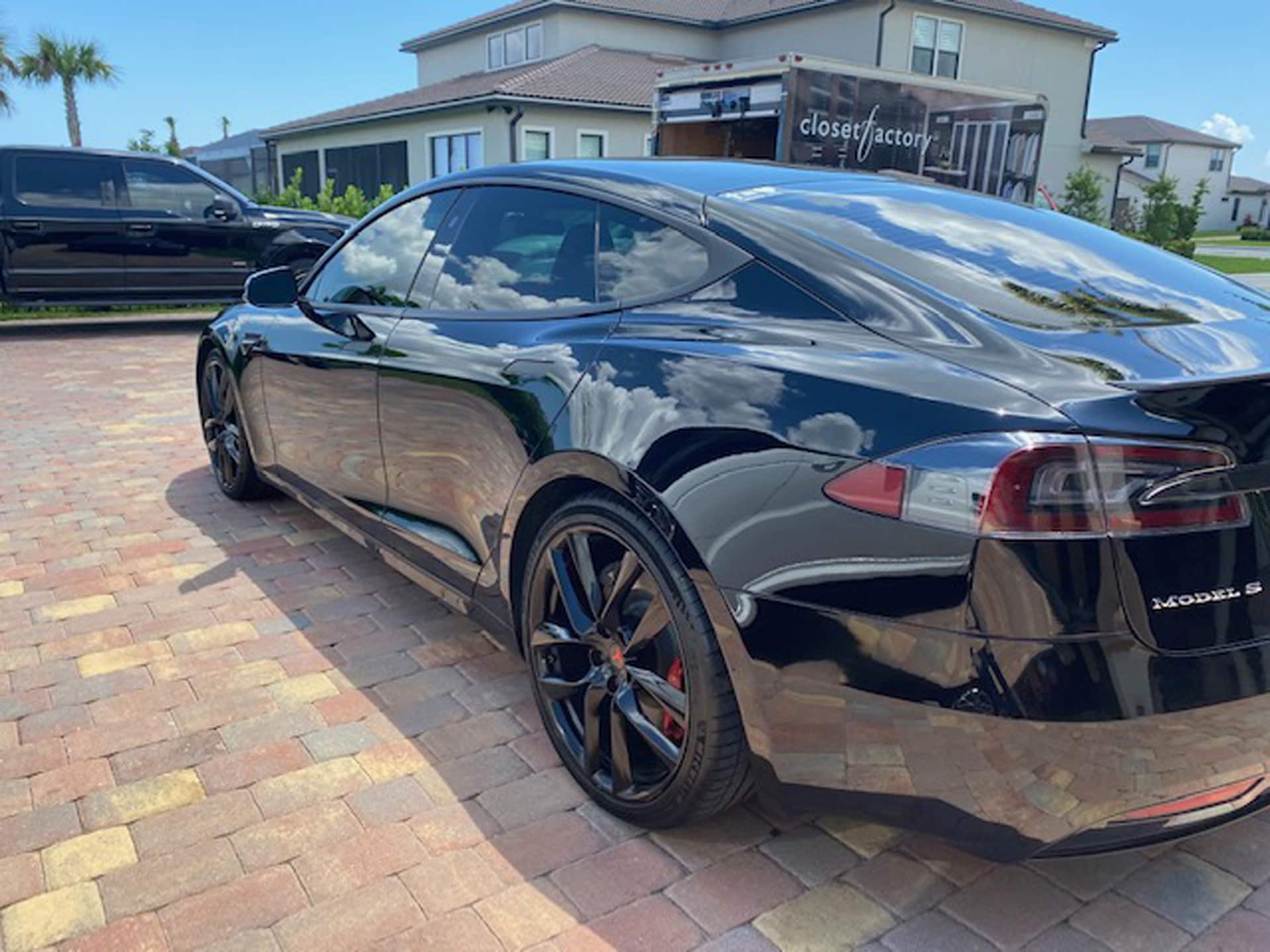
Ceramic coating is a liquid protection product that bonds to your vehicle's exterior surfaces. Once cured, it creates a durable, slick, hydrophobic layer over the paint.
That protective layer helps reduce how strongly water, dirt, road grime, bug splatter, bird droppings, and other contaminants stick to the surface. It also enhances gloss, which is why many coated vehicles have a deeper, cleaner reflection than vehicles protected only with traditional wax.
For Florida drivers, ceramic coating protection is especially useful because vehicles are exposed to strong UV rays, salt air, humidity, rain, pollen, tree sap, and heavy sun almost year-round.
What Ceramic Coating Protects Against
Ceramic coating helps protect against many environmental problems that affect vehicle paint in Palm Beach County.
UV Rays and Sun Exposure
Florida sun is intense. Over time, UV exposure can fade, dry, and dull unprotected paint. Ceramic coating helps create a barrier between the paint and the environment, reducing the impact of daily sun exposure.
This is one of the biggest ceramic coating benefits for drivers in West Palm Beach, Palm Beach, North Palm Beach, and Boynton Beach, where vehicles often sit outside at home, work, restaurants, marinas, beaches, and shopping areas.
Water, Rain, and Road Grime
Ceramic coating is hydrophobic, which means it helps water bead and roll off the surface. This does not mean the vehicle will stay spotless forever, but it does make washing easier.
Instead of dirt clinging tightly to bare paint, a coated surface usually releases contamination more easily during a proper wash. That matters in South Florida, where quick rain showers can leave dirty water spots and grime behind.
Bird Droppings, Bug Splatter, and Tree Sap
Bird droppings, bugs, and tree sap can be harsh on paint. If left too long, they can stain or etch the surface, especially in Florida heat.
Ceramic coating gives your paint a better defense and makes these contaminants easier to remove. It does not mean you can ignore them for weeks, but it does give you a stronger protective layer than unprotected paint.
Salt Air and Coastal Contamination
Drivers near Palm Beach, Singer Island, Juno Beach, Jupiter, and other coastal areas deal with salt air and moisture. Salt residue can settle on paint, glass, wheels, and trim.
Regular washing is still important, but ceramic coating helps reduce how strongly contamination bonds to the paint.
Light Chemical Contamination
Road film, pollutants, hard water minerals, and everyday grime can slowly wear down a vehicle's finish. Ceramic coating gives the paint a stronger surface barrier, making routine maintenance more effective.
What Ceramic Coating Does Not Protect Against
Ceramic coating is durable, but it has limits. Understanding those limits helps you choose the right protection for your vehicle.
Ceramic Coating Does Not Stop Rock Chips
Ceramic coating does not provide meaningful impact protection. If a rock hits your hood, bumper, mirror, or fender at speed, the coating will not absorb the impact the way paint protection film can.
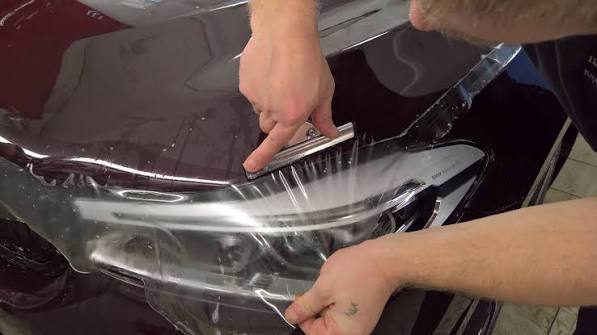
For rock chips and road debris, paint protection film is the better option. PPF is a physical film designed to protect high-impact areas.
Ceramic Coating Does Not Make Paint Scratch-Proof
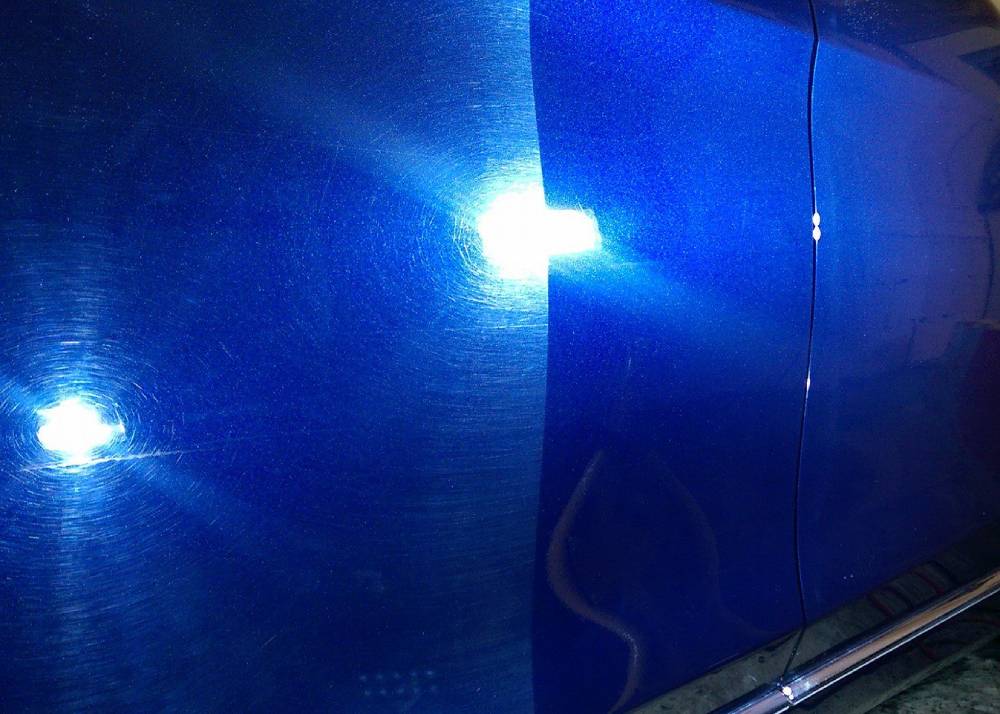
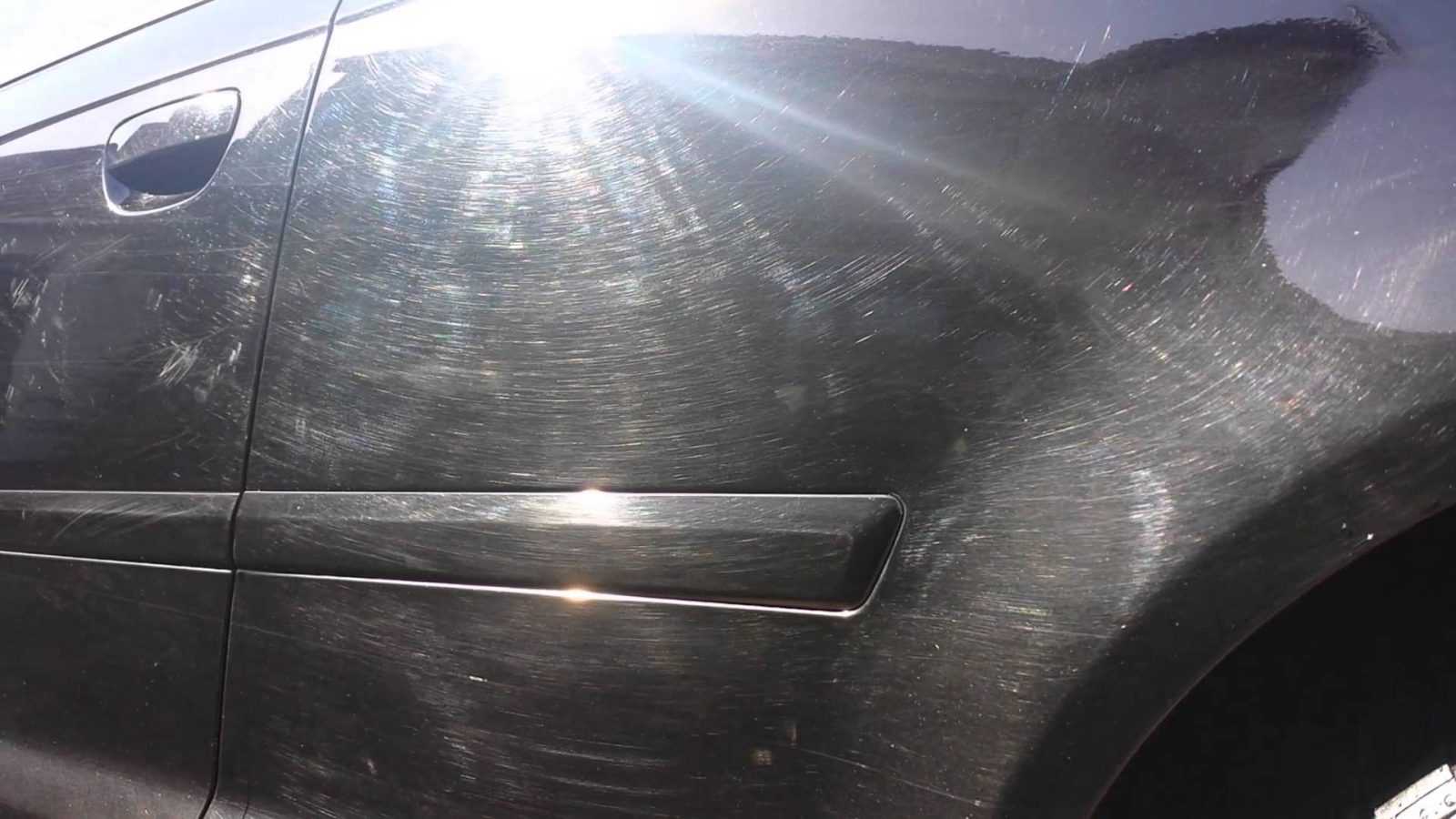
A ceramic-coated vehicle can still get scratched. Dirty towels, automatic brush washes, sand, careless wiping, and improper washing can still create swirl marks or scratches.
Ceramic coating may add some resistance to light marring, but it does not make paint immune to damage.
Ceramic Coating Does Not Replace Washing
A coated vehicle still needs to be washed. The difference is that washing usually becomes easier because the surface is slicker and contaminants release more readily.
If a coated vehicle is neglected, it can still collect minerals, dirt, water spots, and grime. Proper ceramic coating maintenance is what keeps the coating performing well.
Ceramic Coating Does Not Fix Existing Paint Defects
Ceramic coating enhances the finish that is already there. It does not remove swirl marks, scratches, oxidation, haze, or water spots.
If your vehicle already has paint defects, PDS may recommend paint correction before ceramic coating. That way, the coating protects a cleaner, glossier finish instead of locking in visible imperfections.
Ceramic Coating vs Paint Protection Film
Ceramic coating and paint protection film are both valuable, but they solve different problems.
Ceramic coating is best for gloss, hydrophobic protection, easier washing, UV resistance, and environmental defense. Paint protection film is best for physical impact protection against rock chips, road debris, and minor abrasions.
Many Palm Beach and West Palm Beach vehicle owners choose both. PPF can be installed on high-impact areas like the front bumper, hood, fenders, and mirrors, while ceramic coating can be applied over painted surfaces for easier maintenance and gloss.
Who Benefits Most From Ceramic Coating?
Ceramic coating is a strong fit for:
- New vehicle owners who want to protect paint early.
- Luxury and exotic vehicle owners who care about gloss and finish quality.
- Daily drivers exposed to Florida sun, rain, salt air, and road grime.
- Vehicle owners who want easier washing and less frequent waxing.
- Drivers preparing a corrected paint finish for long-term protection.
- Palm Beach County customers who park outside often.
It may not be the best standalone solution for someone mainly worried about rock chips. In that case, PPF should be part of the conversation.
Why Professional Prep Matters
The quality of a ceramic coating result depends heavily on preparation. Before coating, the vehicle should be properly washed, decontaminated, and inspected. In many cases, paint correction is needed to remove or reduce swirl marks, oxidation, water spots, or light scratches.
Skipping prep can lead to a coating that looks less glossy and performs below its potential.
At Professional Detailing Service, ceramic coating is approached as a complete protection process, not just a product application. The condition of the paint matters, the prep matters, and the customer's goals matter.
FAQ: Ceramic Coating Protection
Does ceramic coating prevent scratches?
Ceramic coating does not make paint scratch-proof. It can add slickness and some resistance to light marring, but improper washing, automatic brush washes, sand, and dirty towels can still scratch coated paint.
Does ceramic coating protect against the Florida sun?
Yes, ceramic coating helps protect against UV exposure and environmental wear. This is one of the key benefits for vehicles in Palm Beach, West Palm Beach, Jupiter, Wellington, and Palm Beach Gardens.
Is ceramic coating better than wax?
Ceramic coating typically lasts longer, offers stronger hydrophobic behavior, and requires less frequent reapplication than wax. Wax can still add shine, but ceramic coating is the stronger long-term protection option.
Should I get paint correction before ceramic coating?
If your vehicle has swirl marks, scratches, oxidation, dullness, or water spots, paint correction is usually recommended before ceramic coating. Coating protects the finish underneath, so the paint should look as good as possible first.
Ceramic Coating in Palm Beach and West Palm Beach
Ceramic coating is one of the best options for vehicle owners who want long-term gloss, easier maintenance, and stronger environmental protection in South Florida. It will not stop every type of damage, but it can make a major difference in how your vehicle looks and how easy it is to care for.
Professional Detailing Service offers ceramic coating, paint correction, paint protection film, and mobile detailing for customers in Palm Beach, West Palm Beach, Palm Beach Gardens, Jupiter, Wellington, North Palm Beach, Boynton Beach, and surrounding areas.
To find out whether ceramic coating is right for your vehicle, request a quote online or call PDS at 561-377-6700.
.jpeg)

%201%20(2).jpg)
.jpg)
.jpg)


.jpg)

.jpeg)


.jpg)
.jpg)
.jpg)
.jpg)
.jpg)

.jpg)
.jpg)


