Car Window Tint for Heat or Privacy: What Should You Prioritize?
Car Window Tint for Heat or Privacy: What Should You Prioritize?
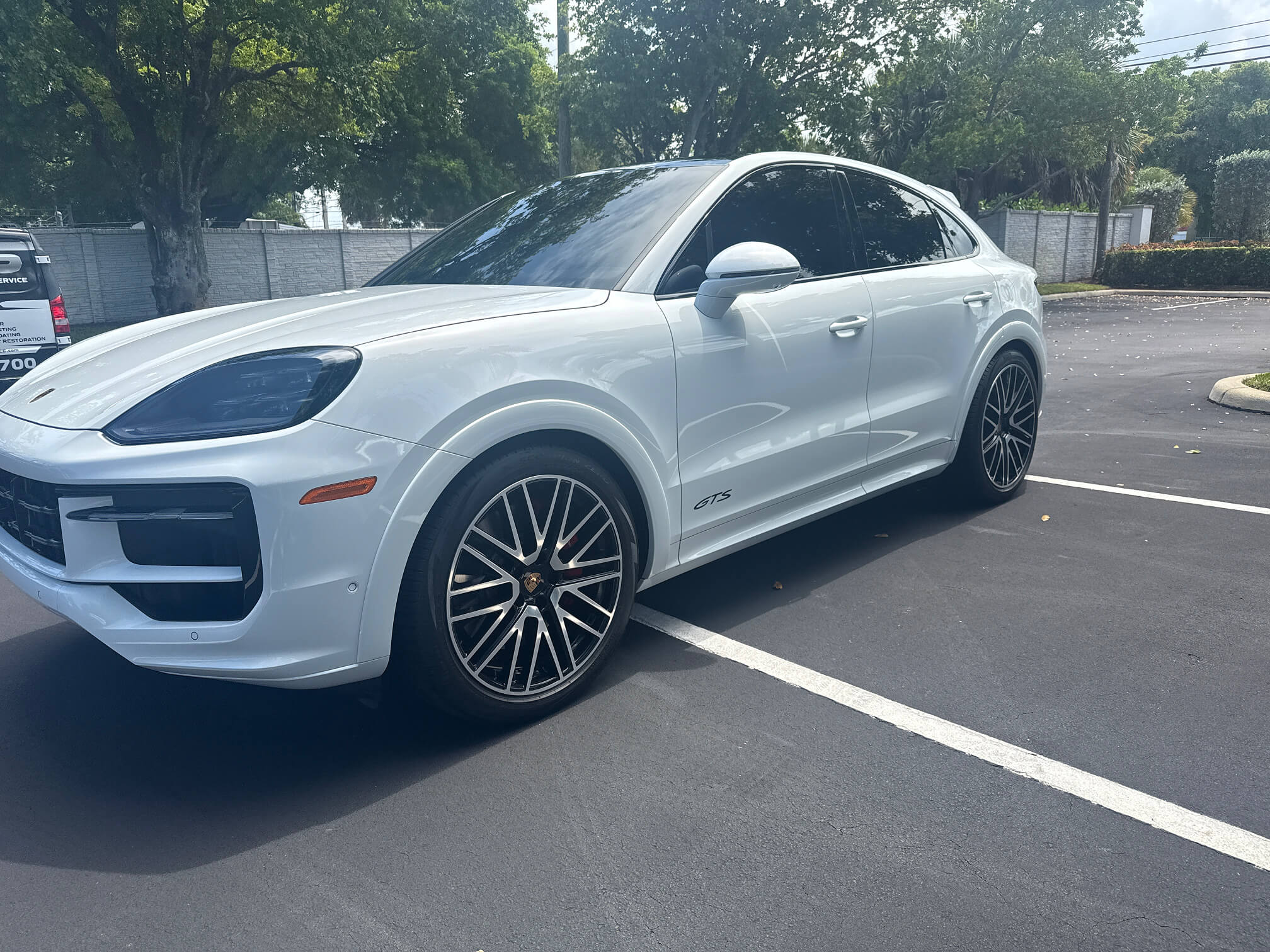
Florida drivers usually begin the window tint conversation with one of two goals: a cooler-feeling cabin or more privacy. Those goals can overlap, but they are not identical. Film darkness is visible at a glance; heat-rejection performance depends on the specific product. Choosing by shade alone can lead to a result that looks right but does not address your real concern.
If you park outside in West Palm Beach, commute through Boynton Beach, or regularly drive with passengers in Jupiter, it helps to decide what matters most before selecting a film.
Darkness Is Only One Specification
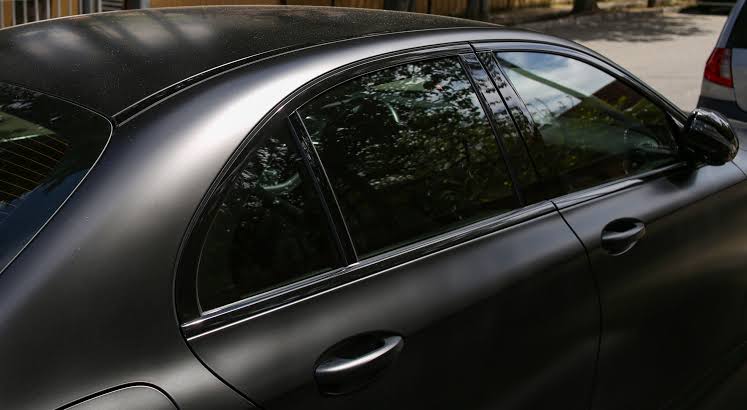
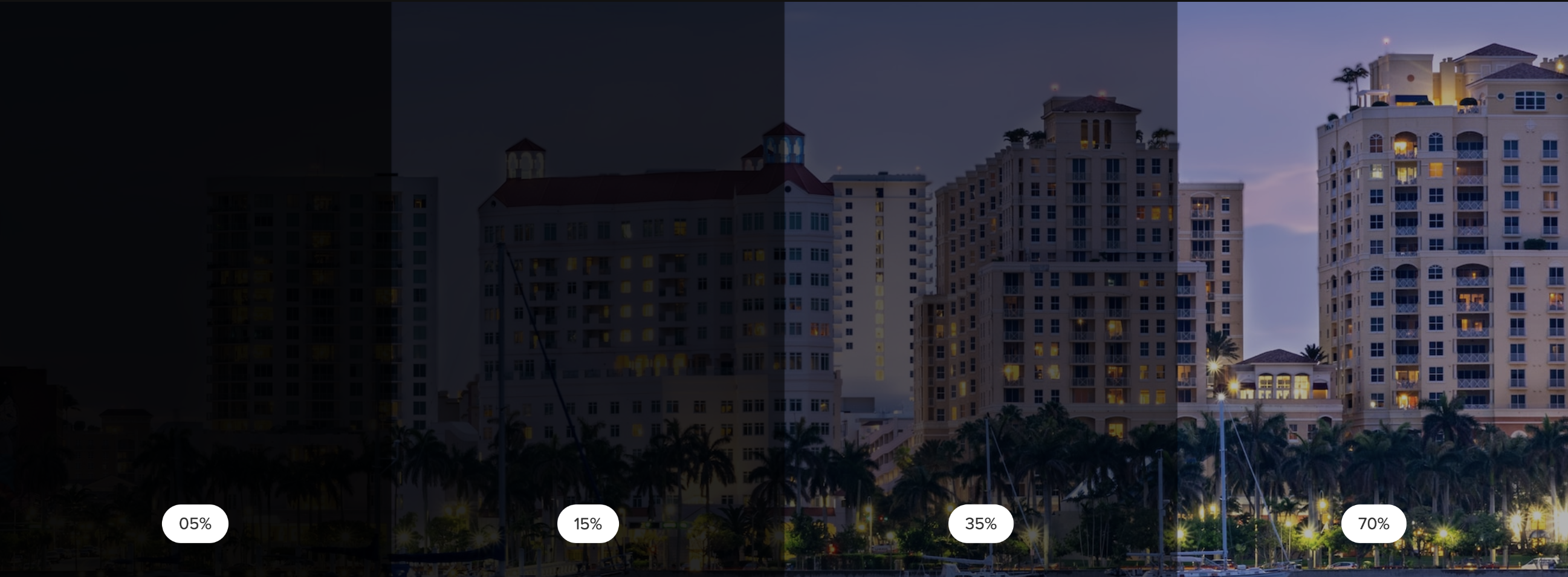
Visible light transmission describes how much visible light passes through the window and film. A darker appearance can add privacy and reduce glare, but it does not tell the whole story about infrared or solar heat performance. Ask the installer for the specifications of the actual film being proposed, not a general promise that all dark tint performs the same way.
Some drivers prefer a lighter appearance with a higher-performance film. Others value privacy and a darker look. Your preference, vehicle glass, and applicable legal limits all matter.
Consider Every Seat in the Vehicle
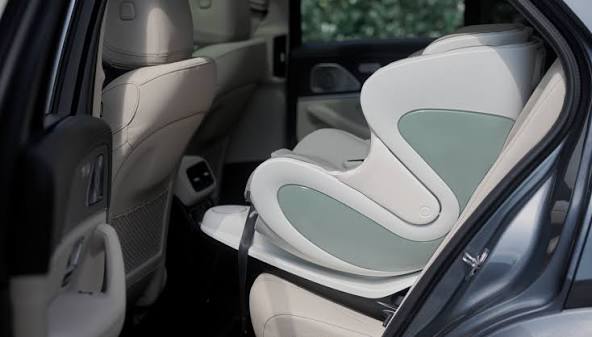
The driver's visibility matters, especially in rain or at night. Rear-seat comfort may be more important for families carrying children. Owners of vehicles with large side windows may notice different heat and glare patterns than drivers of compact cars. A good consultation looks at the vehicle as a whole rather than prescribing one shade for everyone.
Tint Can Help, but It Cannot Fix Every Heat Source
Film can reduce part of the sun's energy entering through treated glass, but a parked car can still get hot. Windshield size, parking conditions, upholstery, and time in direct sun all affect cabin temperature. Window tint is a useful part of a comfort strategy, not a guarantee that a car will stay cool in Florida heat.
Ask About Installation and Care
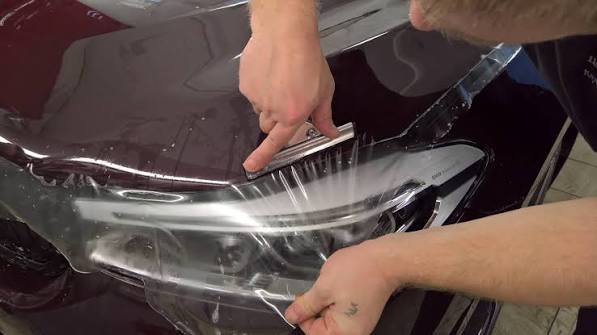
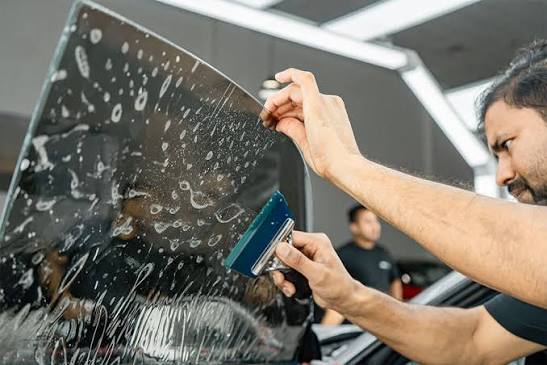
Quality of installation affects how the tint looks and lasts. Ask what film will be used, what the warranty covers, and when it is safe to clean or lower the windows after installation. Confirm that the selected shade complies with current Florida requirements for your vehicle and window positions.
PDS® offers vehicle Services Window Tinting alongside detailing and protection services. If you are deciding between heat management, glare reduction, and privacy, describe your priorities when requesting a quote. That gives the team a better starting point than simply asking for the darkest available film.
Frequently Asked Questions
Can light tint still reduce heat?
Depending on the film, yes. Ask for product-specific performance data rather than judging heat rejection by appearance alone.
How do I know what shade is legal?
Rules vary by window position and vehicle type and can change. Have the installer confirm current Florida requirements for the exact vehicle and film choice before installation.